
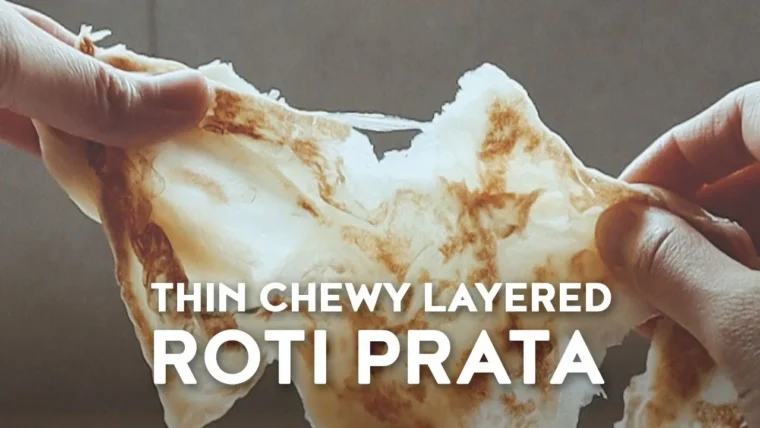
Roti Prata: Traditional Step-by-Step Recipe
Roti Prata, also known as Roti Canai in some regions, is a delicious, crispy wheat-flour pancake widely enjoyed in Malaysian and Singaporean cuisine. Its name may vary, but its essence remains the same: a lightly flaky dough cooked until crispy on the outside and soft on the inside.
The versatility of Roti Prata makes it ideal for many occasions. It can be served at breakfast, as a side for main dishes, or even as dessert when paired with sweet sauces or condensed milk. It also comes in many versions: plain, stuffed with egg, cheese, or even more elaborate versions with meat and vegetables.
In this article, we explore the history of Roti Prata, its variations and, of course, a step-by-step recipe so you can make it at home. We also cover the benefits of its ingredients and tips to make your Roti Prata perfect. Get ready to dive into the richness of Asian cuisine with this irresistible dish!
The History of Roti Prata
Roti Prata has its roots in Indian cuisine and was introduced to Southeast Asia by traders and immigrants. The word roti means bread in Hindi, and prata may come from the Malay word for plate. Although its origin is linked to India, the dish quickly adapted to local culinary traditions in Malaysia and Singapore, becoming a street-food icon in both countries.
Over the years, Roti Prata evolved, gaining new variations and flavor combinations. It can be found on practically every corner of Singapore and Malaysia, where mamaks (restaurants run by Indian Muslims) serve it with curry or dhal sauces, a traditional pairing that perfectly balances the crispy texture of the roti.
Roti Prata has also gained popularity in other parts of the world, loved for its simplicity and bold flavor. Making it takes few ingredients but demands a specific technique to reach the perfect result, which makes it a challenging and rewarding dish.
Roti Prata Ingredients
The ingredients for Roti Prata are simple and easy to find. The preparation technique, however, is what makes all the difference. The dough must be kneaded and stretched carefully to get its flaky, soft texture.
Roti Prata Ingredients (Makes 6 servings)
-
Wheat flour: 4 cups (500 g / 17.6 oz, good quality)
-
Water: 1 cup (250 ml / 8.5 fl oz)
-
Condensed milk: 2 tablespoons
-
Egg: 1 unit
-
Salt: 1 teaspoon
-
Sugar: 1 tablespoon
-
Butter or vegetable oil: 3 tablespoons (olive oil also works)
-
Vegetable oil for frying (olive oil also works)
Dipping sauce (optional):
-
Curry powder: 1 tablespoon
-
Onion: 1 unit (finely chopped)
-
Garlic: 2 cloves (finely chopped)
-
Coconut milk: 3/4 cup (200 ml / 6.8 fl oz)
-
Salt: to taste
Tools you will need
-
Large bowl
-
Rolling pin
-
Skillet or flat griddle
-
Spatula
How to Make Roti Prata
Making Roti Prata takes a little patience, but the result is extremely rewarding. Following the steps correctly ensures the texture and flavor come out just right.
Instructions
Step 1: Mixing the Dough
-
Initial mix: In a large bowl, add the wheat flour (good quality), salt and sugar. Mix the dry ingredients well.
-
Adding the liquids: Next, add the egg, condensed milk and water little by little. Start mixing everything until a consistent dough forms.
-
Kneading the dough: Transfer the dough to a floured surface and knead vigorously for about 10 minutes, until smooth and elastic.
-
Resting the dough: After kneading, divide the dough into small lemon-sized balls and brush with melted butter or vegetable oil (olive oil also works). Cover with a damp cloth and let rest for at least 2 hours. Resting is essential so the gluten relaxes, making the dough easier to stretch later.
Step 2: Stretching the Dough
-
Getting ready to stretch: After resting, take one ball of dough and place it on a lightly oiled surface.
-
Stretching the dough: Use your hands or a rolling pin to stretch the dough until extremely thin and almost translucent. The secret is stretching it without tearing. This step is key to the flaky texture of Roti Prata.
-
Folding the dough: Once stretched, fold it into layers, forming a square or circle. These folds create the layers that turn crispy when fried.
Step 3: Frying the Roti Prata
-
Heating the skillet: Heat a skillet or flat griddle with a little vegetable oil (olive oil also works). The skillet should be hot but not scorching, so the Roti Prata cooks evenly.
-
Frying: Place the Roti Prata in the skillet and cook for about 2 minutes per side, until golden and crispy on the outside. The ideal texture is crispy outside and soft inside.
Step 4: Making the Sauce (Optional)
-
Sautéing the seasonings: In a saucepan, heat a little oil and sauté the garlic (finely chopped) and onion (finely chopped) until translucent.
-
Curry and coconut milk: Add the curry powder and coconut milk to the pan and cook over low heat for about 10 minutes, until the sauce thickens. Season with salt to taste.
-
Serving: Serve the Roti Prata with the curry sauce on the side, or choose sweet accompaniments such as condensed milk or sugar.
Benefits of the Ingredients
Roti Prata is not only tasty but also made with ingredients that offer some important nutritional benefits. Below we highlight the main ingredients and their benefits:
-
Wheat flour: Rich in carbohydrates, wheat flour provides the energy the body needs. Still, enjoy it in moderation, especially if you are watching your calorie intake.
-
Condensed milk: While adding a sweet touch and texture to the dough, condensed milk is also a good source of calcium, which supports bone health.
-
Curry powder: Curry is a seasoning rich in antioxidants and may help reduce inflammation in the body. It also aids digestion and is known for its cholesterol-fighting benefits.
-
Coconut milk: Coconut milk is an excellent source of healthy fats and also has antimicrobial properties. It is a delicious, nutritious alternative for anyone looking to cut back on dairy.
Tips for the Best Roti Prata
Making Roti Prata involves a few tricks that can make all the difference. Here are some tips to make sure your dish turns out perfect:
-
Rest the dough: Do not skip the dough resting time. This step is essential for the elasticity needed to stretch the dough without tearing.
-
Use good-quality oil or butter: To ensure the ideal texture and a rich flavor, use good-quality butter or vegetable oil (olive oil also works) for frying and brushing the dough.
-
Stretch the dough very thin: The thinner you stretch the dough, the crispier and flakier the final result. Be patient and practice this step until you reach the desired thickness.
Yield and Prep Time
-
Yield: 6 servings
-
Prep time: 20 minutes
-
Dough resting time: 2 hours
Cook time: 20 minutes
Total time: Approximately 2 hours and 40 minutes
Nutrition Facts (1 Roti Prata serving without sauce)
| Nutrient | Amount per serving |
|---|---|
| Calories | 280 kcal |
| Carbohydrates | 40 g |
| Protein | 6 g |
| Total fat | 10 g |
| Saturated fat | 4 g |
| Fiber | 1 g |
| Sugars | 6 g |
| Sodium | 300 mg |
Conclusion
Roti Prata is a classic, versatile recipe that can be adapted to many tastes and preferences. Whether served with savory or sweet sauces, it brings the best of Asian cuisine to your table. With few ingredients and a fairly simple process, anyone can try making this delight at home.
Share this recipe
Now that you know how to make Roti Prata, how about sharing this recipe with friends and family? Cooking and sharing special moments is one of the best ways to create unforgettable memories!
Enjoyed it? Find more recipes like this on our website or join our Facebook group.


💬 Comentários (0)
Deixe sua teoria ou opinião sobre esta matéria.
Nenhum comentário por enquanto. Seja o primeiro a comentar!