
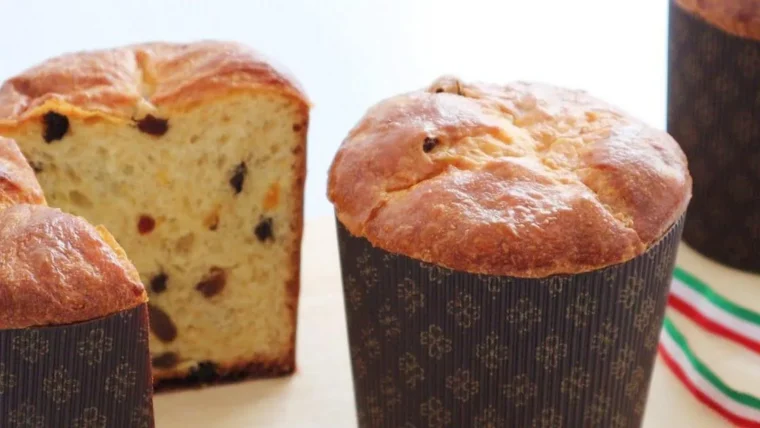
Panettone is a delicious Italian sweet bread, especially popular at Christmas. Learning to make panettone at home (homemade panettone) may seem challenging, but with the right tips you can prepare an irresistible homemade version. This complete guide will help you master this classic recipe.
Origin and History of Panettone
Panettone, a Christmas symbol, originated in Italy, more precisely in Milan, where it was called Pangrande. Filled with candied fruit and raisins, its original recipe became world-famous for its unique flavor and soft texture.
Essential Ingredients for Panettone
- All-Purpose Flour: The base of the recipe — choose a good-quality flour for a soft texture.
- Yeast: Use fresh active yeast to ensure the dough rises properly.
- Sugar: Choose refined white sugar for balanced sweetness.
- Butter: Adds flavor and contributes to the soft texture.
- Eggs: They bind the dough and add moisture.
- Milk: Makes the dough softer and improves the flavor.
- Candied Fruit and Raisins: Traditional ingredients that give panettone its characteristic flavor.
Tips for Making the Panettone Dough
The panettone dough is one of the most critical parts of the process. Following these tips can make all the difference:
- Respect the Rising Time: Let the dough rest for the recommended time to ensure it rises correctly.
- Use Room-Temperature Ingredients: Avoid very cold ingredients, as they can keep the dough from rising.
- Do Not Overdo the Fruit: Too much fruit can keep the dough from rising.
Secrets to a Perfect Rise
Fermentation is essential for a perfect panettone. Here are some secrets for successful proofing:
- Warm, Humid Environment: A warm, humid spot helps the dough rise better.
- Use Good-Quality Yeast: Choose fresh active yeast and check the expiration date.
- Resting Time: Give the dough enough time to ferment, ideally several hours or even overnight.
Ideal Baking Process
Baking the panettone the right way is key to a soft texture and delicious flavor:
- Preheat the Oven: Preheat the oven to 350°F (180°C) for even baking.
- Use the Right Molds: Paper molds made for panettone help hold its shape and ensure even baking.
- Check for Doneness: Use a toothpick to check whether the crumb is fully baked. If it comes out clean, the panettone is ready.
Adding Flavors to Traditional Panettone
The traditional panettone recipe is delicious, but you can also try new flavors:
- Chocolate Panettone: Replace the candied fruit with chocolate chunks.
- Nut Panettone: Add chopped walnuts, almonds or hazelnuts for extra crunch.
- Sicilian Lemon Panettone: Fold Sicilian lemon zest and a touch of juice into the dough.
How to Store Your Panettone
After baking, it is important to know how to store panettone to keep it fresh:
- Airtight Packaging: Use airtight packaging to preserve moisture and texture.
- Cool, Dry Place: Keep the panettone in a cool, dry place to prevent mold.
- Freezing: You can also freeze panettone. Just wrap it well in plastic wrap and store it in the freezer.
Decorating Tips for Panettone
Turn your panettone into a work of art with these decorating tips:
- Powdered Sugar: Dust powdered sugar on top for a classic, festive finish.
- Chocolate: Cover with a chocolate glaze for an irresistible touch.
- Dried Fruit and Nuts: Decorate with dried fruit and nuts for a rustic, delicious look.
Creative Ways to Serve Your Panettone
Discover innovative ways to serve panettone:
- With Ice Cream: Serve slices of panettone with a scoop of ice cream for a delicious contrast of temperature and texture.
- Toasted: Toast slices of panettone for a crunchy, tasty snack.
- Panettone French Toast (Rabanada de Panettone): Use panettone to make rabanadas, a classic that gains a special touch from the panettone dough.
Panettone Recipe Variations
Every family has its own version of panettone. Here are some variations to try:
- Cream-Filled Panettone: Filled with vanilla or chocolate cream for a touch of luxury.
- Whole-Wheat Panettone: Made with whole-wheat flour for a healthier option.
- Vegan Panettone: Made without animal-derived ingredients, perfect for those following a vegan diet.
Common Panettone Mistakes and How to Avoid Them
Making a perfect panettone can be challenging, but avoiding common mistakes helps:
- Not Following the Recipe: Changing ingredient amounts can compromise texture and flavor.
- Too Much Fruit: Using too much fruit can weigh down the dough and prevent proper rising.
- Baking Time: Baking too long can leave the panettone dry, while too little time can leave it raw in the middle.
Tools You Need to Make Panettone at Home
Get ready with the right tools to make the process easier:
- Large Bowl: Ideal for comfortably mixing all the ingredients.
- Stand Mixer: Makes incorporating the ingredients easier.
- Panettone Molds: Traditional molds give panettone the structure it needs.
- Parchment Paper or Paper Molds: Essential for even baking and keeping the panettone from sticking.
- Pastry Brush: For brushing the dough with butter or egg yolk.
- Spatula: A simple but indispensable tool for handling the dough.


💬 Comentários (0)
Deixe sua teoria ou opinião sobre esta matéria.
Nenhum comentário por enquanto. Seja o primeiro a comentar!