
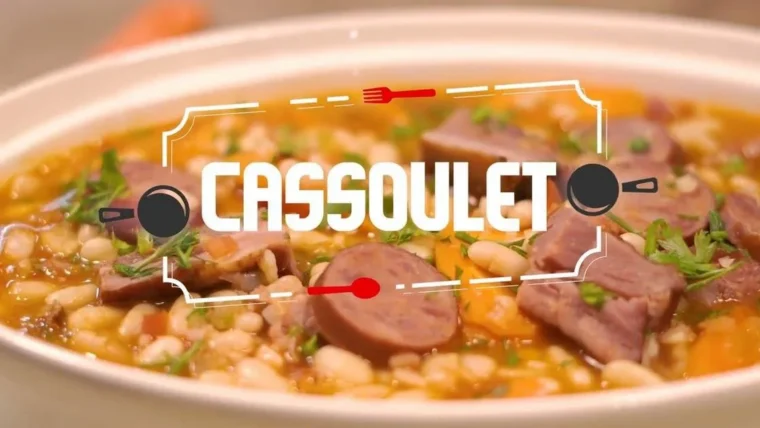
Cassoulet is a traditional French dish that has won over palates around the world. This rich, flavorful stew made with white beans, pork, and other delights is perfect for special occasions or a cozy dinner. Let’s explore the history, ingredients, and preparation of this iconic dish.
The History of Cassoulet
Cassoulet is a rustic, traditional French dish dating back to the 14th century. Originating in the Midi-Pyrénées region, cassoulet has its roots in a context of war and the need for sustenance. Legend has it that during the Hundred Years’ War, the town of Castelnaudary was besieged and its residents decided to pool all available food to create a meal that could keep them full and strong. Thus cassoulet was born, a white bean stew with meats that could cook slowly, making the most of the ingredients available in that challenging period.
For many years, cassoulet was seen as a symbol of resilience and ingenuity. The three best-known styles of cassoulet come from Carcassonne, Castelnaudary, and Toulouse. Although there are regional variations, the essence of the dish always remains the same: a rich combination of beans, pork or duck, and spices.
For French cuisine enthusiasts, cassoulet is not just a dish but a cultural practice passed down through generations. In the 19th century, cassoulet gained popularity throughout France and eventually became an icon of French cooking, found in traditional bistros and restaurants.
Essential Cassoulet Ingredients
Cassoulet ingredients can vary from one region to another, but some components are considered essential to preserve the authenticity of the dish:
- White beans (Haricots Blancs): The base of the dish, traditionally the Tarbais variety, although other varieties such as cannellini can be used.
- Pork: Includes cuts such as tail, ears, and belly, adding flavor and texture.
- Duck confit: Adds depth of flavor and is a hallmark of Toulouse-style cassoulet.
- Toulouse sausage: A mild, flavorful sausage that represents the Toulouse region well.
- Pork pâté: Enhances the complexity of the flavor.
- Aromatics: Onion, garlic, carrot, and aromatic herbs such as thyme, bay leaf, and parsley.
- Goose fat: Often used to cook the beans and meats, lending a more robust flavor profile.
- Chicken broth: Essential for flavor and for the slow, even cooking of the ingredients.
Step-by-Step Cassoulet Preparation
Preparing an authentic cassoulet can be a demanding task, but by following these steps you can recreate this traditional dish in your kitchen.
Step 1: Prepare the Beans
Soak the white beans in cold water overnight. This will help reduce the cooking time and allow the beans to absorb water, making them easier to cook.
Step 2: Cook the Beans
In a large pot, add the beans, 1 chopped onion, 2 garlic cloves, sliced carrot, thyme sprigs, and bay leaves. Cover with water and bring to a boil. Reduce the heat and cook until the beans are tender but not falling apart. This should take about one hour. Remove the aromatics and reserve the beans with a little of the cooking liquid.
Step 3: Prepare the Meats
While the beans cook, prepare the meats. In a large skillet, heat the goose fat and brown the pork cuts, sausages, and duck confit. Make sure all sides are well browned. This will help build layers of flavor in your cassoulet.
Step 4: Assemble the Cassoulet
In a large ovenproof casserole dish, start assembling the cassoulet. Add a layer of beans to the bottom, followed by pieces of pork and sausage. Repeat the layers until all ingredients are used, finishing with a layer of beans. Add enough chicken broth to cover the ingredients.
Step 5: Bake
Transfer the casserole to an oven preheated to 300°F and bake for 3 to 4 hours. During cooking, check occasionally and gently press the meats and beans to blend the flavors without stirring too much. Add more broth if needed to keep the cassoulet from drying out.
Tips for a Perfect Cassoulet
Preparing cassoulet is an art that requires patience and attention to detail. Here are some tips to ensure your cassoulet turns out perfect:
- Use high-quality ingredients: Choose fresh beans and meats from a good source. Fresh ingredients will make a big difference in the final flavor.
- Give it time: Cassoulet is best when cooked slowly. Plan to prepare this dish when you have time to let the flavors develop fully.
- Do not skip browning the meats: Browning the meats is crucial for developing the depth of flavor in the dish. Be patient and let the meats brown well before adding them to the cassoulet.
- Consider making it a day ahead: Like many slow-cooked dishes, cassoulet tends to taste even better the next day, once the flavors have had time to meld. Consider preparing it a day ahead and reheating before serving.
By following these steps and tips, you will be able to create a cassoulet that honors French tradition and delivers a rich, satisfying culinary experience.


💬 Comentários (0)
Deixe sua teoria ou opinião sobre esta matéria.
Nenhum comentário por enquanto. Seja o primeiro a comentar!