Dim Sum: Easy Homemade Recipe Step by Step
Publicada em · Atualizado em
Dim sum recipe at home: har gow, siu mai and char siu bao with step-by-step instructions.
Dim Sum: Easy Step-by-Step Recipe
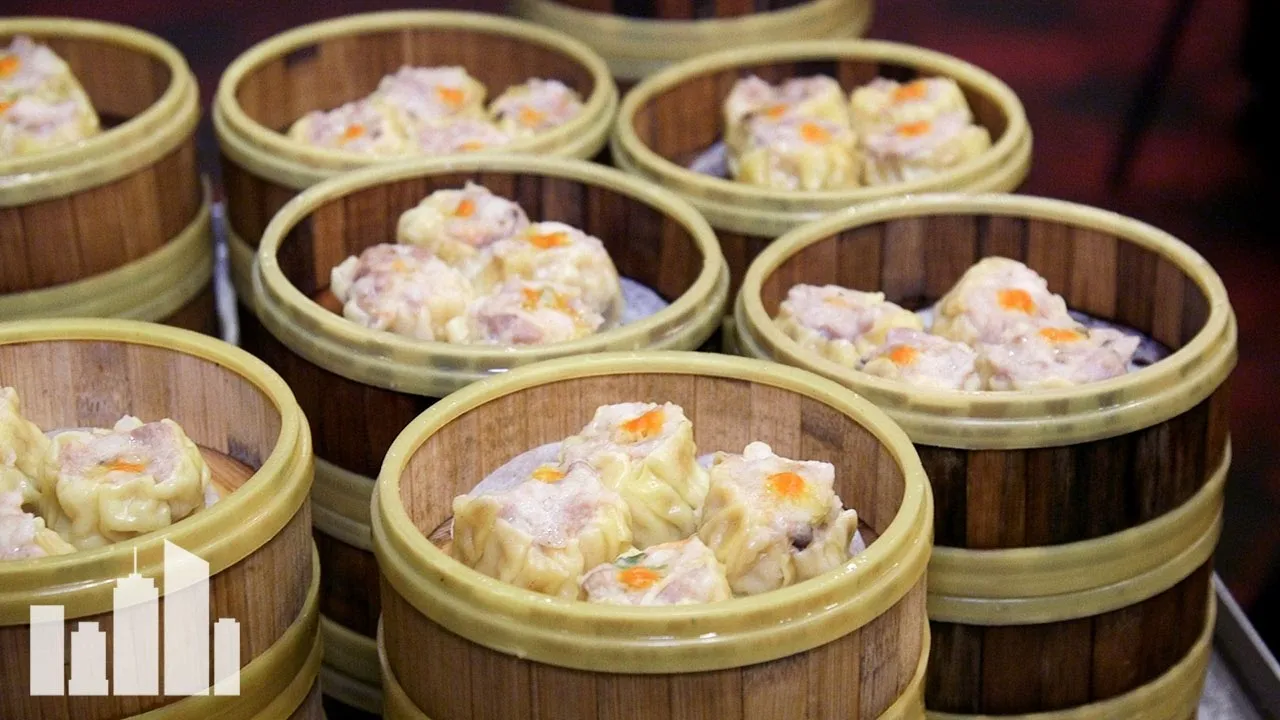
Dim sum is a Chinese culinary tradition that combines a variety of small plates served in bamboo baskets or on small dishes. Originating in the Guangdong region, dim sum is often served with tea and is an essential part of yum cha (drinking tea), a common practice in Cantonese and Chinese cultures. This article explores the history, the variety of dishes, a detailed dim sum recipe, and tips for preparing and enjoying these delights at home.
History of Dim Sum
Dim sum has its roots in the ancient Chinese tradition of serving small portions of food to accompany tea. Originally, these snacks were served in teahouses along trade routes. Over time, dim sum evolved into an integral part of Chinese food culture, especially in Guangdong and Hong Kong. Today, it is enjoyed worldwide and is known for its variety and complexity.
Dim Sum Recipe
Ingredients
For this recipe, we focus on three popular types of dim sum: Har Gow (shrimp), Siu Mai (pork and shrimp), and Char Siu Bao (roast pork buns).
Har Gow (Shrimp)
-
10.5 oz (300 g) shrimp (good quality), peeled and chopped
-
1.8 oz (50 g) canned bamboo shoots, chopped
-
1 teaspoon grated fresh ginger
-
2 garlic cloves (minced)
-
1 tablespoon soy sauce
-
1 teaspoon sesame oil
-
1 pinch of salt
-
1 package dim sum rice wrappers
Siu Mai (Pork and Shrimp)
-
7 oz (200 g) ground pork (good quality)
-
3.5 oz (100 g) shrimp, peeled and chopped
-
1 teaspoon soy sauce
-
1 teaspoon sesame oil (olive oil works too)
-
1 tablespoon chopped scallion
-
1 teaspoon grated fresh ginger
-
1 egg
-
1 package wonton wrappers
Char Siu Bao (Roast Pork Buns)
-
10.5 oz (300 g) roast pork (char siu), chopped
-
2 tablespoons hoisin sauce
-
1 tablespoon soy sauce
-
1 tablespoon vegetable oil (olive oil works too)
-
1 teaspoon sugar
-
10.5 oz (300 g) all-purpose flour
-
1 teaspoon active dry yeast
-
1 tablespoon sugar
-
5 fl oz (150 ml) warm water
Yield and Prep Time
-
Yield: 20-25 pieces of each type of dim sum
-
Prep time: 2-3 hours
Step-by-Step Instructions
Step 1: Prep the Ingredients
Har Gow
-
Mix the Ingredients: In a bowl, mix the chopped shrimp, bamboo shoots, ginger, garlic (minced), soy sauce, sesame oil, and salt. Set aside.
-
Prep the Wrappers: Separate the rice wrapper sheets and keep them covered with a damp cloth so they don't dry out.
Siu Mai
-
Mix the Ingredients: In a bowl, mix the pork, shrimp, soy sauce, sesame oil (olive oil works too), scallion, ginger, and egg.
-
Prep the Wrappers: Separate the wonton wrapper sheets and keep them covered with a damp cloth.
Char Siu Bao
-
Make the Filling: In a bowl, mix the roast pork (char siu), hoisin sauce, soy sauce, vegetable oil (olive oil works too), and sugar. Set aside.
-
Make the Dough: In a bowl, mix the all-purpose flour, active dry yeast, sugar, and warm water. Knead until smooth and elastic. Cover and let rise for 1 hour.
Step 2: Assemble the Dim Sum
Har Gow
-
Fill the Wrappers: Place one teaspoon of the shrimp filling in the center of each rice wrapper sheet. Fold the wrapper over the filling and press the edges to seal.
-
Shape: Form small half-moon dumplings.
Siu Mai
-
Fill the Wrappers: Place one teaspoon of the pork and shrimp filling in the center of each wonton sheet. Fold the edges up and press lightly to form a small open basket.
-
Shape: Make sure the filling is held firmly in the wrapper.
Char Siu Bao
-
Form Dough Balls: Divide the dough into small walnut-sized balls. Flatten each ball into a small disk.
-
Fill the Dough: Place one tablespoon of the pork filling in the center of each dough disk. Fold the dough edges over the filling and pinch to seal.
-
Shape: Form small round buns.
Step 3: Cook the Dim Sum
Har Gow and Siu Mai
- Steam: Place the har gow and siu mai in bamboo baskets lined with perforated parchment paper. Steam for 10-15 minutes, or until the wrappers are translucent and the filling is cooked through.
Char Siu Bao
- Bake: Preheat the oven to 350°F (180°C). Place the buns on a baking sheet lined with parchment paper. Bake for 15-20 minutes, or until golden brown.
Step 4: Serve and Enjoy
-
Serve: Serve the dim sum hot, with soy sauce and Chinese tea.
-
Enjoy: Savor the different flavors and textures each type of dim sum offers.
Dim Sum Varieties
Jiaozi (Dumplings)
- Varied Fillings: Jiaozi can be filled with a variety of ingredients, such as pork, beef, chicken, vegetables, and seafood.
Baozi (Filled Buns)
- Soft Buns: Baozi are soft buns filled with pork, chicken, vegetables, or a combination of ingredients.
Xiaolongbao (Soup Dumplings)
- Rich Broth: Xiaolongbao are dumplings filled with a rich, flavorful broth inside the wrapper, in addition to the meat filling.
Tips for Perfect Dim Sum
Choosing the Ingredients
-
Fresh Ingredients: Use fresh, good-quality ingredients to guarantee the best flavor.
-
Seasonings: Adjust the seasonings to your taste, but don't overdo the salt.
Cooking Techniques
-
Steam Cooking: Steam the dim sum to keep textures and flavors intact.
-
Careful Shaping: Take time to shape the dim sum properly, making sure they are well sealed and look beautiful.
Nutritional Benefits of Dim Sum
Rich in Protein
Dim sum, especially those filled with meat and seafood, are an excellent source of protein.
A Variety of Nutrients
With their combination of different meats, vegetables, and wrappers, dim sum offer a wide range of nutrients, including vitamins, minerals, and fiber.
Portion Control
Dim sum are served in small portions, which makes it easy to control how much you eat and lets you enjoy a variety of flavors without overdoing it.
Dim Sum Nutrition Facts
Here is an approximate nutrition table for one serving of dim sum (about 3.5 oz / 100 g):
| Nutrient | Amount per Serving (100 g) |
|---|---|
| Calories | 200 |
| Protein | 10g |
| Carbohydrates | 25g |
| Fat | 8g |
| Fiber | 2g |
| Calcium | 4% DV |
| Iron | 8% DV |
| Sodium | 400mg |
Conclusion
Dim sum is a celebration of Chinese cuisine, offering endless flavors and textures in delicious small bites. With this detailed recipe and helpful tips, you can prepare a variety of dim sum at home and enjoy an authentic Chinese dining experience.
Whether for a weekend brunch or a special meal with friends and family, dim sum is a perfect choice that is sure to please everyone.
Share this recipe
If you enjoyed this dim sum recipe, share it with your friends and family. Spread the joy of cooking and savoring delicious dishes!
Liked it? Find more recipes like this on our site or join our Facebook group.