
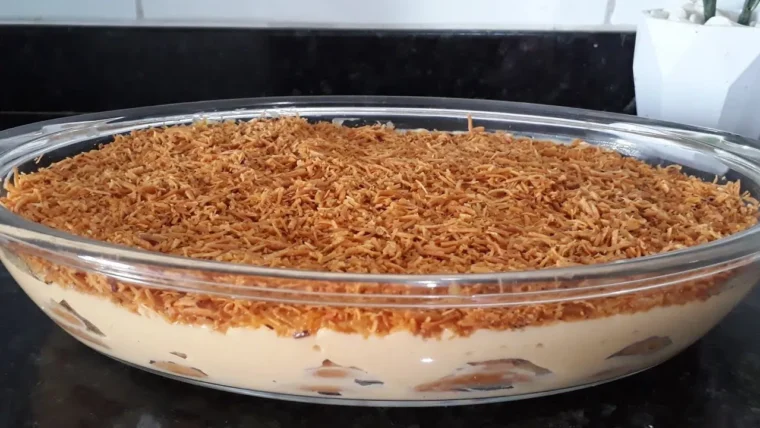
Coconut Pavé: A Classic and Irresistible Recipe
Introduction
Coconut pavé is a classic dessert that delights everyone with its combination of textures and flavors. With creamy coconut layers, milk-soaked biscuits, and a delicious topping, this dessert suits any occasion, whether a party, a Sunday lunch, or simply satisfying a sweet craving. Besides being delicious, coconut pavé is easy to prepare and can be adapted with different ingredients to create unique variations. In this article, we will explore the history of pavé, its benefits, share a detailed recipe, and discuss several variations to suit every taste. Let’s get started!
History of Pavé
Pavé is a dessert of French origin that became popular in Brazil. Its name comes from the French “pavé,” meaning “pavement” or “cobblestone,” referring to the layers of biscuits and cream forming the dessert base. In Brazil, pavé gained many versions with different flavors and ingredients, becoming a traditional dessert in many families. Coconut pavé is one of those variations, loved for its mild flavor and creamy texture.
Benefits of Coconut
Coconut is a versatile, nutritious ingredient offering several health benefits:
- Rich in Nutrients: Coconut is an excellent source of B, C, and E vitamins, plus minerals such as potassium, magnesium, and iron.
- Antioxidants: It contains antioxidants that help fight free radicals in the body, preventing premature aging and chronic disease.
- Digestive Health: The dietary fiber in coconut helps improve digestion and promotes gut health.
- Energy: Coconut is a good source of healthy fats that provide long-lasting energy.
- Immunity: Compounds in coconut may help strengthen the immune system, protecting the body against infections.
Coconut Pavé Recipe
Ingredients
Coconut Cream
- 4 1/4 cups whole milk (1 liter)
- 1 can (14 oz) sweetened condensed milk (good quality)
- 2 egg yolks
- 3 tablespoons cornstarch
- 1 cup shredded coconut (good quality)
- 1 teaspoon vanilla extract
Assembly
- 2 packages cornstarch tea biscuits (Maisena-style, good quality)
- 1 cup milk for dipping the biscuits
- 1 can heavy cream, drained
Topping
- 1 cup shredded coconut for dusting
Instructions
Coconut Cream
- Initial Mixture: In a large pan, mix the milk, condensed milk, egg yolks, and cornstarch.
- Cooking: Bring the pan to medium heat, stirring constantly until the mixture thickens and starts to boil. This should take about 10-15 minutes.
- Adding Coconut and Vanilla: Remove the pan from the heat and add the shredded coconut and vanilla extract. Mix well and let cool.
Assembly
- Preparing the Biscuits: Quickly dip the biscuits in the milk, just to moisten, and make a layer on the bottom of a baking dish.
- First Cream Layer: Spread a layer of coconut cream over the biscuits.
- Repeating the Layers: Repeat the process, alternating biscuit and coconut cream layers, finishing with a cream layer.
- Heavy Cream Topping: Spread the drained heavy cream over the last coconut cream layer.
Finishing
- Topping: Sprinkle the shredded coconut over the heavy cream.
- Chilling: Refrigerate the pavé for at least 4 hours, or until firmly set.
- Serving: Serve the coconut pavé chilled.
Yield
This recipe makes approximately 12 servings of coconut pavé.
Prep Time
- Preparation: 20 minutes
- Cook time: 15 minutes
- Chilling: 4 hours
- Total Time: 4 hours and 35 minutes
Nutrition Facts
| Nutrient | Amount per Serving (100g) |
|---|---|
| Calories | 250 kcal |
| Carbohydrates | 32 g |
| Protein | 5 g |
| Total Fat | 11 g |
| Saturated Fat | 7 g |
| Trans Fat | 0 g |
| Dietary Fiber | 2 g |
| Sugars | 22 g |
| Sodium | 100 mg |
Recipe Variations
Coconut Pavé with Pineapple
Add layers of fresh or canned pineapple between the biscuit and cream layers. Pineapple adds extra sweetness and an acidity that complements coconut perfectly.
Coconut Pavé with Chocolate
Add a layer of chocolate ganache (melted chocolate with heavy cream) between the coconut cream layers for a richer, more indulgent pavé.
Vegan Coconut Pavé
Replace milk, condensed milk, and heavy cream with vegan versions. Use coconut milk and coconut condensed milk to keep the signature coconut pavé flavor.
Coconut Pavé with Walnuts
Add chopped walnuts between the cream layers for a crunchy touch and extra flavor.
Tips for a Perfect Coconut Pavé
- Use Good-Quality Ingredients: Fresh, good-quality ingredients make all the difference in the final pavé flavor.
- Dip the Biscuits Quickly: Do not leave the biscuits in the milk too long or they will get too soft and fall apart.
- Proper Chilling: Let the pavé chill well before serving so the layers set correctly.
- Creative Decoration: Decorate the pavé with fresh shredded coconut, chocolate shavings, or fresh fruit for an attractive look.
Benefits of Coconut Pavé
Coconut pavé is a delicious dessert that can be enjoyed in moderation as part of a balanced diet. Beyond its irresistible flavor, the coconut in the recipe offers several health benefits, including better digestion, stronger immunity, and energy supply. The recipe versatility also lets you add wholesome ingredients such as fruit and walnuts to boost the dessert’s nutritional value.
Conclusion
Coconut pavé is a classic, delicious dessert combining coconut’s mild flavor with the creaminess of a well-made pavé. Easy to prepare and perfect for any occasion, this recipe will surely become a hit at your home. Try the suggested variations and discover new ways to enjoy this delight. And don’t forget to share this recipe with those you love!
Share This Recipe!
If you enjoyed this coconut pavé recipe, be sure to share it with your friends and family. They will love this delicious, refreshing dessert option too.
Enjoyed it? See more recipes like this on our website or join our Facebook group.


💬 Comentários (0)
Deixe sua teoria ou opinião sobre esta matéria.
Nenhum comentário por enquanto. Seja o primeiro a comentar!