
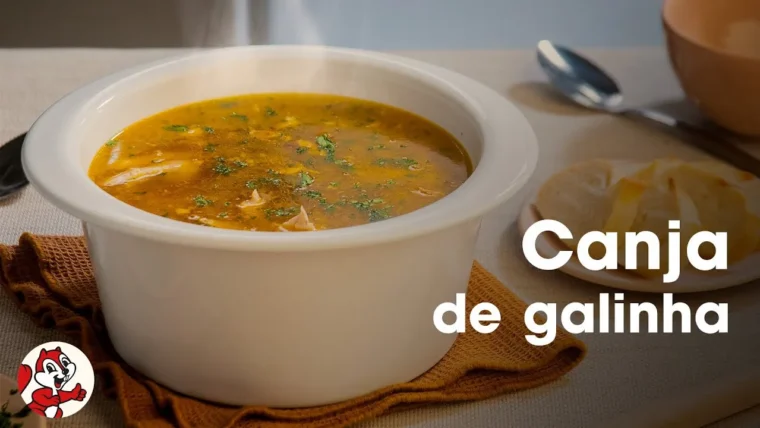
Chicken Canja: A Traditional, Comforting Recipe
Introduction
Chicken canja is a comforting, nutritious Brazilian classic, known for its healing properties and delicious flavor. This traditional soup is often linked to care during colds and flu, but it is also a delightful meal for any occasion. With simple ingredients and fairly easy preparation, chicken canja is a perfect choice for anyone seeking a healthy, satisfying meal. In this article, we will explore the history of chicken canja, its benefits, share a detailed recipe, and discuss several variations to please every taste. Let’s get started!
History of Chicken Canja
Origin of Chicken Canja
Chicken canja has its roots in Portuguese cuisine but became popular in many countries over time. The word “canja” comes from the Malay term “kanji,” which refers to a type of rice porridge. This soup was introduced to Brazil by the Portuguese and quickly became a traditional dish, especially appreciated for its nourishing, comforting qualities.
How the Recipe Evolved
Over time, the chicken canja recipe evolved and gained regional variations. In Brazil, canja is usually made with rice, chicken, carrots, potatoes, and simple seasonings. Yet every family may add its own special touch, including different vegetables, herbs, and spices to personalize the soup.
Benefits of Chicken Canja
Nutritional Properties of Chicken
- Rich in Protein: Chicken meat is an excellent source of high-quality protein, essential for building and repairing body tissues.
- Low in Fat: Chicken, especially the breast, is naturally low in fat, making it a healthy choice for a balanced diet.
- Rich in Vitamins and Minerals: Chicken is a good source of B-complex vitamins, phosphorus, selenium, and zinc.
Benefits of the Canja Ingredients
- Vitamin A: Carrots and potatoes are rich in vitamin A, important for vision and immune health.
- Fiber: The vegetables and rice add fiber to the canja, supporting digestive health.
- Hydrating Qualities: Chicken canja is a hydrating soup, ideal for keeping the body well hydrated, especially when sick.
- Soothing Effect: Canja is known for its soothing effect, helping you relax and recover in times of stress or illness.
Chicken Canja Recipe
Ingredients
- 1 skinless, boneless chicken breast
- 1 medium onion, finely chopped
- 3 garlic cloves, finely minced
- 2 medium carrots, diced
- 2 medium potatoes, diced
- 1 cup rice
- 8 1/2 cups (2 liters) water
- 2 tablespoons olive oil (high quality)
- 1 bay leaf
- Salt and black pepper to taste
- Chopped parsley, for garnish
Instructions
Prepping the Chicken
- Cook the Chicken: In a large pot, add the chicken breast and cover with enough water to cook. Bring to medium heat and cook until the chicken is fully cooked. Remove the chicken from the pot, shred it, and reserve the broth.
Making the Canja
- Sauté the Onion and Garlic: In a large pot, heat the olive oil over medium heat. Add the finely chopped onion and sauté until translucent. Add the minced garlic and sauté 1-2 more minutes.
- Add the Vegetables: Add the diced carrots and potatoes to the pot and sauté for a few minutes.
- Add the Rice and Broth: Add the rice to the pot and mix well. Then add the water and the reserved broth, along with the bay leaf.
- Cook the Soup: Simmer the soup over medium heat until the rice and vegetables are tender, about 20-25 minutes.
- Add the Chicken: Add the shredded chicken back to the pot and mix well. Season with salt and black pepper to taste.
- Finish with Parsley: Sprinkle the chopped parsley on top before serving.
Yield
This recipe makes approximately 6 servings of chicken canja.
Prep Time
- Prep: 20 minutes
- Cooking: 40 minutes
- Total Time: 1 hour
Nutrition Facts
| Nutrient | Amount per Serving (100g) |
|---|---|
| Calories | 100 kcal |
| Carbohydrates | 15 g |
| Protein | 8 g |
| Total Fat | 2 g |
| Saturated Fat | 0.5 g |
| Trans Fat | 0 g |
| Dietary Fiber | 2 g |
| Sugars | 1 g |
| Sodium | 150 mg |
Recipe Variations
Chicken Canja with Corn
Add a drained can of corn to the soup for a sweet flavor and extra texture.
Chicken Canja with Peas
Add a cup of fresh or frozen peas in the last 10 minutes of cooking for a more colorful, nutritious version.
Chicken Canja with Ginger
Add a teaspoon of grated ginger along with the onion and garlic for a spicy touch and extra anti-inflammatory properties.
Chicken Canja with Coconut Milk
Replace part of the water with coconut milk for a creamier canja with a tropical flavor.
Vegan Canja
For a vegan version, swap the chicken for tofu or chickpeas and use vegetable broth instead of chicken broth.
Tips for a Perfect Chicken Canja
- Use High-Quality Ingredients: Choose fresh, high-quality chicken and fresh vegetables.
- Season Well: Do not skimp on seasoning. Use fresh herbs and spices to bring out the canja’s flavor.
- Cook over Medium Heat: Cooking over medium heat lets the flavors develop without the ingredients losing their nutrients.
- Add Vegetables in the Right Order: Add the slowest-cooking vegetables first so everything turns tender at the same time.
- Garnish with Fresh Herbs: Add fresh herbs such as parsley, scallions, or cilantro on top before serving for a fresh touch.
Why Chicken Canja Is Great
Chicken canja is a complete, balanced meal offering a good amount of protein, carbohydrates, and healthy fats. The vegetables add essential nutrients and fiber, while the chicken provides high-quality protein. This recipe is perfect for anyone seeking a nutritious, flavorful meal for any occasion, especially while recovering from illness.
Conclusion
Chicken canja is a traditional, comforting recipe that combines rich flavors and varied textures in a dish everyone loves. Easy to prepare, this recipe is perfect for any occasion, whether a special dinner, a family meal, or a celebration. Try the suggested variations and discover new ways to enjoy this delight. And do not forget to share this recipe with the people you love!
Share This Recipe!
If you enjoyed this chicken canja recipe, be sure to share it with your friends and family. They will love this delicious, nourishing meal option too.
Liked it? Find more recipes like this on our website or join our Facebook group.


💬 Comentários (0)
Deixe sua teoria ou opinião sobre esta matéria.
Nenhum comentário por enquanto. Seja o primeiro a comentar!