
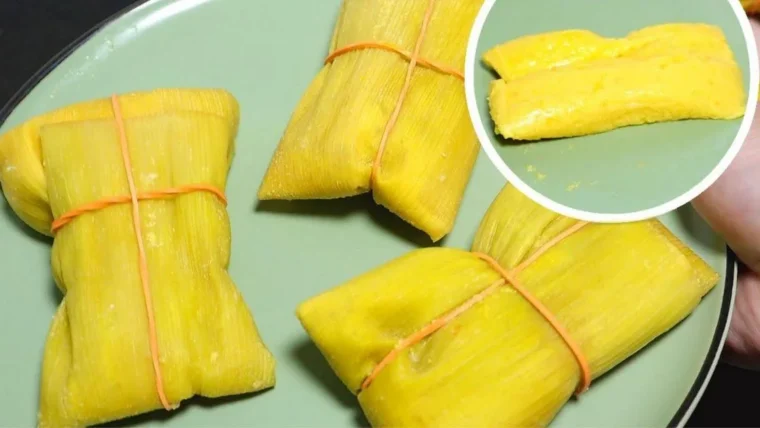
Pamonha is one of the most traditional dishes in Brazilian cuisine. Made from grated fresh sweet corn wrapped in its own corn husks, pamonha is a delicacy rooted in Brazil’s cultural heritage. If you have never tried it or want to learn more about this delight, keep reading!
Pamonha: The Brazilian Tradition That Delights Every Palate in Each Bite
History and Origins of Pamonha
Pamonha is a beloved staple food in Brazil, especially in the Central-West and Southeast regions. Originally, pamonha has its roots in Indigenous cuisine, which already used corn in many different ways. With the arrival of colonizers and the blending of cultures, pamonha became a traditional dish served at many festivals and celebrations.
Corn, the main ingredient of pamonha, was cultivated by Indigenous civilizations long before Europeans arrived. For Indigenous peoples, corn was an essential staple food. Pamonha emerged as a practical and delicious way to use this abundant grain, and the name pamonha comes from the Tupi word pamuña, meaning sticky or pasty.
Over time, the original Indigenous recipe was adapted and improved, resulting in the pamonha we know today. During the colonial period, the recipe gained new versions and ingredients, creating a diversity still seen across different regions of Brazil.
Traditional Pamonha Recipe
The traditional pamonha recipe is relatively simple, but it requires a few specific steps to ensure ideal flavor and texture. Below, we detail the preparation process:
- Ingredients:
- 6 ears fresh sweet corn
- 1 cup sugar
- 1 pinch of salt
- 1 cup coconut milk
- Corn husks for wrapping
- Kitchen twine
Directions:
- Carefully remove the husks from the ears and set aside, as they will be used to wrap the pamonhas.
- Grate the corn or blend the kernels in a blender until you get a smooth batter.
- Add the sugar, salt, and coconut milk to the corn batter, mixing well until it forms a consistent mixture.
- Spoon the corn batter into each reserved husk and fold it to form a little packet. Tie with kitchen twine so the pamonha does not open during cooking.
- In a large pot of boiling water, cook the pamonhas for about 40 minutes, or until set and firm.
- Remove carefully, let cool slightly, and serve.
This is the basic pamonha recipe (Brazilian fresh-corn tamale), known and loved by many Brazilians. Its creamy texture and sweet flavor make this delicacy a memorable experience.
Regional Variations of Pamonha
Pamonha is an extremely versatile and adaptable dish, which has allowed it to gain many regional variations over the years. Each region of Brazil added a special touch to the traditional recipe, resulting in a diversity of flavors and styles. Here are some of the most popular variations:
Savory Pamonha
In Central-West Brazil, especially in Goias, savory pamonha is very popular. It is prepared with ingredients such as cheese, sausage, and pork, offering a hearty and flavorful version of the traditional dish. The preparation process is similar to sweet pamonha, with the savory ingredients added to the corn batter before wrapping in the husks.
Stuffed Pamonha
Another much-loved variation is stuffed pamonha. In this case, after preparing the corn batter, fillings such as ground beef, shredded chicken, or even guava paste are added for a sweet-and-savory combination. This variation is especially popular at Festa Junina festivals and other celebrations.
Spoonable Pamonha (Pamonha de Colher)
Spoonable pamonha is a creamier and more practical version to eat. Instead of being wrapped in husks, it is placed in baking dishes or jars and served with a spoon. This variation can be found in both sweet and savory versions, and it is often a great dessert option.
Light Fit Pamonha
For those seeking a healthier option, fit pamonha is an excellent alternative. Swaps such as natural sweeteners for sugar and skim or almond milk for coconut milk allow a lighter, lower-calorie version of traditional pamonha. In addition, whole and organic ingredients are often used to add extra nutritional value.
Where to Find and Buy Pamonha
Finding and buying pamonha in Brazil is no difficult task, given the popularity of the dish. Here are some of the most common ways to get this delicacy:
Street Markets and Produce Stands
Street markets are excellent places to find fresh, made-on-the-spot pamonha. Many specialized stalls offer traditional, stuffed, and savory pamonhas, plus other corn-based products. Shopping at local markets not only guarantees an artisanal product but also supports small producers.
Supermarkets and Municipal Markets
In large supermarkets and municipal markets, it is common to find ready-to-eat pamonhas, usually vacuum-packed to preserve freshness. These pamonhas are ideal for anyone seeking convenience while still craving this typical delight.
Restaurants and Snack Bars
Some restaurants and snack bars, especially those focused on regional cuisine, feature pamonha on the menu. The advantage of buying pamonha at these establishments is the chance to enjoy a pleasant setting while savoring your meal.
Festa Junina Festivals and Regional Events
Festa Junina festivals and other regional events are known for featuring a wide variety of typical foods, including pamonhas. Attending these events is an excellent opportunity to try different types and variations of pamonha, plus other Brazilian cuisine delicacies.
Online Stores
With advances in technology, many online stores specializing in regional products offer pamonha delivery. These stores deliver the product to your home, ensuring convenience and quality. Some platforms even allow order customization, where you can choose your preferred flavors and fillings.
No matter where you choose to buy, pamonha is a food that will certainly bring flavor and tradition to your table. Treat yourself to this Brazilian delicacy and explore all the variations and preparation methods it offers.


💬 Comentários (0)
Deixe sua teoria ou opinião sobre esta matéria.
Nenhum comentário por enquanto. Seja o primeiro a comentar!