
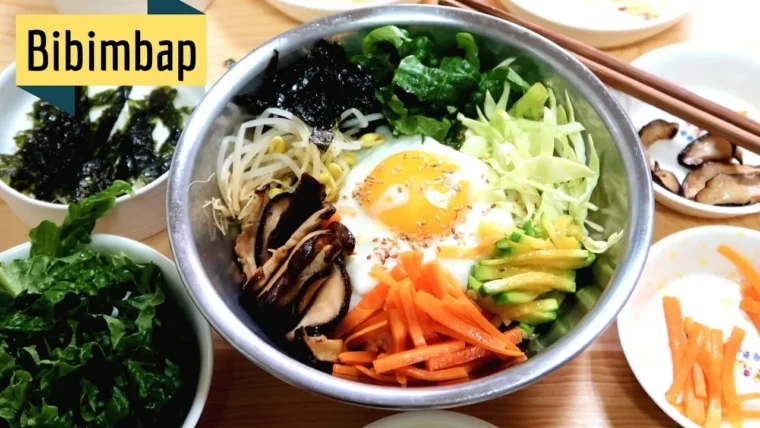
Bibimbap: Delicious Step-by-Step Recipe
Bibimbap is one of the most iconic dishes of Korean cuisine, known for its vibrant presentation and harmony of flavors and textures. This dish consists of a bowl of rice topped with a variety of vegetables, meat, egg, and chili paste (gochujang), all mixed together before eating. In this article, you will learn to prepare authentic, delicious bibimbap in your own kitchen, following detailed steps that guarantee a perfect result.
Ingredients for Bibimbap
Main Ingredients
-
2 cups cooked white rice
-
7 oz (200g) beef, good quality, cut into thin strips
-
1 carrot, cut into thin strips
-
1 zucchini, cut into thin strips
-
7 oz (200g) spinach
-
7 oz (200g) bean sprouts
-
4 shiitake mushrooms, sliced
-
2 eggs
-
2 garlic cloves, finely chopped
-
2 tablespoons good-quality sesame oil
-
2 tablespoons soy sauce
-
1 tablespoon sugar
-
1 tablespoon gochujang (Korean chili paste)
-
1 teaspoon toasted sesame seeds
-
Salt to taste
Optional Ingredients
-
Cucumber in thin strips
-
Sliced red pepper
-
Chopped scallions
Yield and Prep Time
-
Yield: Serves 4 people
-
Prep time: 45 minutes
Step-by-Step Instructions
Step 1: Prepare the Ingredients
-
Cook the Rice: Cook the white rice according to the package directions. Keep it warm while you prepare the other ingredients.
-
Prepare the Vegetables: Wash and cut all the vegetables. Keep each type separate.
Step 2: Cook the Vegetables
-
Carrot: In a large skillet, heat a teaspoon of sesame oil. Add the carrot strips and sauté for 2-3 minutes until tender. Season with salt to taste. Set aside.
-
Zucchini: In the same skillet, heat another teaspoon of sesame oil. Add the zucchini strips and sauté for 2-3 minutes. Season with salt and set aside.
-
Spinach: Cook the spinach in boiling water for 1 minute, drain, and squeeze out excess water. Toss with a little sesame oil, salt, and finely chopped garlic. Set aside.
-
Bean Sprouts: Cook the bean sprouts in boiling water for 2 minutes. Drain and season with sesame oil and salt. Set aside.
-
Shiitake Mushrooms: Heat a teaspoon of sesame oil in the skillet. Add the sliced mushrooms and sauté until tender. Season with salt and set aside.
Step 3: Prepare the Meat
-
Marinate the Meat: In a bowl, mix the meat with 1 tablespoon of soy sauce, sugar, and finely chopped garlic. Let marinate for 15 minutes.
-
Cook the Meat: Heat a teaspoon of sesame oil in the skillet. Add the marinated meat and cook until browned and cooked through. Set aside.
Step 4: Prepare the Eggs
- Fry the Eggs: In a clean skillet, heat a little oil. Fry the eggs, leaving the yolks runny or fully set according to your preference. Set aside.
Step 5: Assemble the Bibimbap
-
Divide the Rice: Divide the cooked rice among 4 large bowls.
-
Add the Toppings: Over the rice, arrange the vegetables, meat, and fried egg separately. Place a tablespoon of gochujang in the center of each bowl.
-
Garnish: Sprinkle toasted sesame seeds on top. Add the optional ingredients, such as cucumber, red pepper, and scallions, if desired.
Step 6: Serve the Bibimbap
-
Mix Before Eating: Before eating, mix all the ingredients in the bowl to combine flavors and textures.
-
Enjoy: Enjoy your bibimbap right away, savoring every flavorful bite.
Tips for Perfect Bibimbap
-
Choose Fresh Ingredients: Use fresh, good-quality ingredients for the best flavor.
-
Control the Heat: Cook each ingredient over medium-high heat so everything turns out well cooked and flavorful.
-
Customize Your Bibimbap: Feel free to add or swap vegetables according to your preference.
Nutritional Benefits of Bibimbap
Vegetables
The vegetables in bibimbap are rich in vitamins, minerals, and fiber. They help keep a balanced diet and provide essential nutrients for overall health.
Meat
Beef is an excellent source of protein, iron, and B vitamins. It supports building and repairing body tissues and provides energy.
Rice
Rice is a good source of carbohydrates, providing sustained energy. It is also low in fat and contains some vitamins and minerals.
Eggs
Eggs are rich in protein, healthy fats, and a variety of vitamins and minerals. They are especially good for eye and brain health.
Bibimbap Nutrition Facts
Here is an approximate nutrition table for one serving of bibimbap (10.5 oz / 300g):
| Component | Amount per Serving (300g) |
|---|---|
| Calories | 450 |
| Protein | 20g |
| Carbohydrates | 55g |
| Fat | 15g |
| Fiber | 5g |
| Vitamin A | 50% DV |
| Vitamin C | 30% DV |
| Iron | 20% DV |
Conclusion
Bibimbap is a dish that combines flavor, nutrition, and tradition in a single bowl. With its colorful mix of vegetables, meat, and rice, it not only pleases the palate but also offers a balanced, wholesome meal. Try this recipe at home and enjoy a taste of Korean cooking in your own kitchen.
Share this recipe
If you enjoyed this bibimbap recipe, share it with your friends and family. Spread the joy of cooking and savoring delicious international dishes!
Enjoyed it? Find more recipes like this on our site or join our Facebook group.


💬 Comentários (0)
Deixe sua teoria ou opinião sobre esta matéria.
Nenhum comentário por enquanto. Seja o primeiro a comentar!