Risotto alla Milanese: Traditional Italian Recipe Step by Step
Arroz-e-risotos
Glossário Culinário
Risotto is an Italian rice dish cooked slowly in broth, stirred until creamy, usually finished with cheese and butter. The grain turns soft outside and slightly firm at the center, wrapped in a natural cream formed by the rice’s own starch.
Risotto uses short-grain rice rich in starch, like arborio or carnaroli. The method starts by sautéing the rice in fat before adding liquid, a technique that helps release starch gradually and build creaminess without using heavy cream.
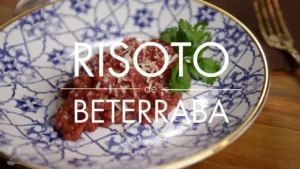
Risotto works as a main dish at dinners and as a side for meats and fish. It takes countless flavors: vegetables like squash and beet, mushrooms like porcini and shimeji, cheeses, shrimp and fresh herbs. It is a versatile base for using up leftover homemade broth and fridge vegetables.
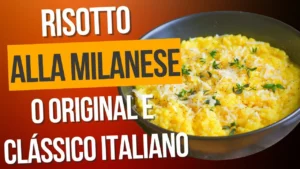
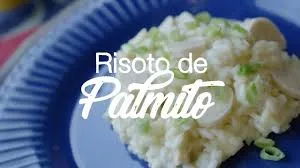
Famous variations include risotto alla milanese, with saffron, mushroom risotto, shrimp with squash, leek, sun-dried tomato and vegetarian versions with hearts of palm, spinach or carrot. There are brown-rice adaptations, which need more broth and cooking time, and vegan versions finished with olive oil instead of butter.
Risotto was born in northern Italy, a rice-growing region, and the creaminess comes from starch, not cream: so the broth must always be hot, to avoid stopping the cooking. Stirring too much can leave the dish soggy, and too little lets the rice stick. A common mistake is serving too late — risotto keeps absorbing liquid on the plate and loses its point within minutes.
Arroz-e-risotos
Arroz-e-risotos
Arroz-e-risotos


